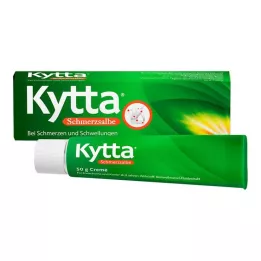
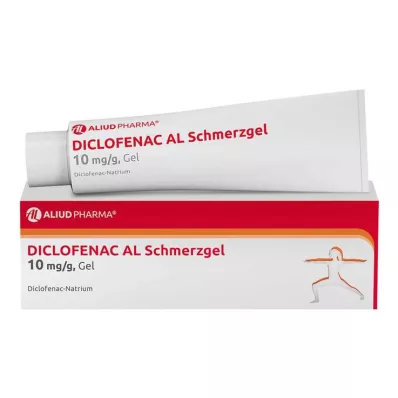


DICLOFENAC AL Pain gel, 100 g
DICLOFENAC AL Schmerzgel 10 mg/g
Manufacturers: ALIUD Pharma GmbH
PZN: 16400730
Dosage: Gel
Content: 100 g
Reward Points: 66
Availability: In stock
$9.39
$6.57
from German pharmacies to your address
Instructions for use for DICLOFENAC AL Pain gel, 100 g
Musculoskeletal complaints
The musculoskeletal and supporting system is a complex organ system in the human body.It secures the body shape and posture and enables movements and locomotion.The musculoskeletal system is made up of active and passive components.The active musculoskeletal system consists mainly of skeletal muscles and their auxiliary organs, such as fascia and tendons.The passive musculoskeletal system, also known as the supporting system, includes the skeleton and its various parts, such as bones, cartilage and joints.
Pain within the musculoskeletal system can be caused by illnesses as well as by acute injuries or incorrect strain.Injuries and inflammation often cannot be clearly differentiated as causes of pain.Sprains, strains and bruises are particularly common as a result of (sports) accidents.Lumbago, also known as lumbago, is characterized by muscle hardening after jerky movements, excessive strain or stress.Joint pain is often accompanied by swelling of the affected joint, which significantly limits mobility.
Help with acute muscle pain
Diclofenac AL pain gel contains the active ingredient diclofenac, which belongs to the group of non-steroidal anti-inflammatory drugs/analgesics (NSAIDs).By inhibiting prostaglandin synthesis by cyclooxygenases 2 (COX-2), diclofenac reduces inflammatory pain and swelling.After topical application, the active ingredient is well absorbed into the subcutaneous layers of the skin, with only very small amounts entering the bloodstream, which relieves the burden on the organism.
Area of application
Diclofenac AL pain gel is used for local, symptomatic treatment in adults and adolescents aged 14 and over.It helps with mild to moderate acute muscle pain, as well as pain caused by acute sprains, strains, or bruises resulting from blunt trauma.It is used for the short-term treatment of these complaints in young people aged 14 and over.
Mode of action
Diclofenac AL pain gel contains the active ingredient diclofenac, which belongs to the group of non-steroidal anti-inflammatory drugs.This significantly reduces pain and swelling caused by inflammation.
Active ingredients / ingredients / ingredients
Diclofenac AL pain gel contains 10 mg diclofenac sodium per gram of gel.The other ingredients are propylene glycol, medium-chain triglycerides, carbomer 980, hyetellose, propyl 4-hydroxybenzoate (Ph.Eur.) (E 216), methyl 4-hydroxybenzoate (Ph.Eur.) (E 218), sodium hydroxide (to adjust the pH value) and purified water.
Contraindications
Hypersensitivity reactions can occur to all medicines and you must stop taking the medicine immediately.If an allergy to the active ingredient or one of the other ingredients of the medicine is known, it must not be used.
Dosage
Diclofenac AL pain gel is applied thinly to the affected part of the body 3 to 4 times a day as needed and rubbed in lightly.A cherry to walnut-sized amount, equivalent to 2 - 4 g of gel (20 - 40 mg diclofenac sodium), is required depending on the area of the body affected.The maximum total daily dose is 16 g of gel.The gel may only be used on intact skin.Skin wounds, open injuries, eyes and mucous membranes must not come into contact with the pain gel.Wash your hands after application unless they are the area to be treated.If the symptoms have not improved after 3 - 5 days or have worsened, you should consult a doctor.
Note: Diclofenac AL pain gel must not be used in the last third of pregnancy and by children or adolescents under 14 years of age.The treated skin areas should not be exposed to sunlight.Tip: You can protect the treated area of the body with an air-permeable bandage.
Intake
Apply the pain gel thinly to the affected parts of the body 3 to 4 times a day as needed and rub it in lightly.Wash hands after application unless they are the area to be treated.
Patient information
If you apply the pain gel to large areas of the skin and use it over a longer period of time, the occurrence of systemic side effects cannot be ruled out. If you suffer from asthma, hay fever, swelling of the nasal mucosa, chronic bronchi-constricting respiratory diseases, chronic respiratory infections or hypersensitivity to other painkillers and rheumatism medications, you are more at risk of asthma attacks, local skin or mucous membrane swelling or hives when using the pain gel than other patients.In such cases, you may only use the pain gel under certain precautionary measures and under direct medical supervision.The pain gel may only be applied to healthy skin and must not be ingested.Discontinue treatment if a rash occurs after using the pain gel.Areas of skin treated with the pain gel should not be exposed to sunlight.When using the pain gel on the skin, you can use a permeable bandage.Do not use an airtight occlusive dressing.Children should take precautions to avoid touching rubbed areas of skin.
The medicine has no or negligible influence on the ability to drive and use machines.
Pregnancy
If you are pregnant or breast-feeding, think you may be pregnant or are planning to have a baby, ask your doctor or pharmacist for advice before using this medicine.You must not use the pain gel in the last trimester of pregnancy as it could harm the unborn child or lead to complications during birth.During the first 6 months of pregnancy you should only use the pain gel if it is absolutely necessary and your doctor has recommended it to you.Oral forms of diclofenac may cause side effects in your unborn baby.It is not known whether the pain gel poses the same risk when used on the skin.
Diclofenac passes into breast milk in small amounts.The pain gel should only be used during breastfeeding after consulting your doctor.The medicine should not be applied to the breast of breastfeeding mothers or to other large areas of skin or over a longer period of time.
Notes
Diclofenac AL pain gel 10 mg/g, gel.For use in adults and adolescents aged 14 and over.Active ingredient: diclofenac sodium.Diclofenac AL is used in adults for the local, symptomatic treatment of mild to moderate acute muscle pain or pain associated with acute sprains, strains or bruises resulting from blunt trauma.Diclofenac AL is used for the short-term treatment of adolescents aged 14 years and over: for the local, symptomatic treatment of pain in acute sprains, strains or bruises as a result of blunt trauma.Note: Contains propyl 4-hydroxybenzoate, methyl 4-hydroxybenzoate and propylene glycol.For information about risks and side effects, read the package leaflet and ask your doctor or pharmacy. ALIUD PHARMA® GmbH, PO Box 1380, 89146 Laichingen.As of: March 2020.
No prescription is required for this product.
Injuries caused by blunt trauma
Sprains, strains or bruises often occur as a result of injuries caused by sports accidents.While a sprain causes the affected joint to twist beyond its natural radius, strains occur due to overstretching of the muscles.Bruises, on the other hand, are caused by blunt trauma and are closed injuries that cause bleeding into the surrounding tissue.
For these acute injuries, the PECH-rule helps to reduce pain and swelling: P: Rest, E: Ice, C: Compression, H: Elevation.
Keep moving: 5 steps after acute injuries
1. Start at the right time: It is important to remain patient.The body needs time to heal.It is best to discuss with your doctor the start of light training training.
2. Easy to set up: Take things down a notch.The best way to increase your exercise regimen is in small increments.
3. Rethink your goals: Do not overtax yourself and your body, but adapt your goals to the current situation before the injury.Then you can also enjoy the exercise.
4. Learn lessons from the injury: Your injury may reveal your vulnerabilities.During the injury break, there is an opportunity to rethink current movement units or incorporate new ones.
5. Incorporate the basic program - this includes: Daily, ideally in the morning, 5 to 10 minutes of stretching exercises, 1 to 2 times a week to compensate for muscular weaknesses with circuit training, massages for tense muscle groups, e.g. in the evening or after training.
Frequently Asked Questions & Answers
What advantages does the Diclofenac AL pain gel offer compared to taking Diclofenac in tablet form?When applied topically, the active ingredient level is significantly lower than when used orally.Systemic side effects, such as those that may occur after systemic use of medicines containing diclofenac, are still possible when applied to large areas of the skin and over a longer period of time.However, since the systemic absorption of diclofenac when applied topically is very low, such side effects are unlikely.
Is an overdose possible with Diclofenac AL pain gel?Overdose with limited topical application is unlikely due to low systemic absorption.If the recommended dose is significantly exceeded, the gel should be washed off the skin with water.
When should Diclofenac AL pain gel not be used?If you suffer from hypersensitivity to the active ingredients propyl 4-hydroxybenzoate, methyl 4-hydroxybenzoate or any other component of Diclofenac AL pain gel, you must not use the product.If you have had previous allergic reactions after taking acetylsalicylic acid or other NSAIDs, Diclofenac AL pain gel must not be used.Diclofenac AL pain gel must also not be used in the last trimester of pregnancy or in children and adolescents under 14 years of age.
Are there any known interactions with other medicines?Since the systemic absorption of diclofenac when applied topically is very low, interactions with other drugs are very unlikely.
Images of DICLOFENAC AL Pain gel, 100 g



Medicines Reviews
Write a review
Related Products
Popular in Muscular & joint pain
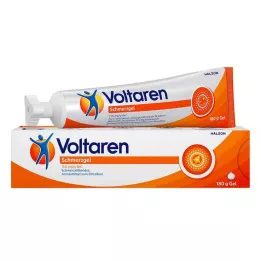
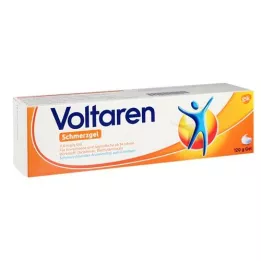
Voltaren pain gel 11.6 mg/g gel, 180 g
VOLTAREN Schmerzgel 1,16 % mit Komfort-Verschlus
$20.90 $30.65
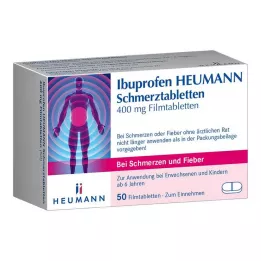
Ibuprofen HEUMANN painkillers 400 mg, 50 pcs
IBUPROFEN Heumann Schmerztabletten 400 mg
$4.91 $14.56